Folic acid is especially important before conception and during early pregnancy. Discover why folate matters, when supplementation should begin, how much is generally recommended and which foods naturally contain folate.
Folic acid, also known as vitamin B9, is an especially important nutrient before conception and during pregnancy. Folate contributes to maternal tissue growth during pregnancy and has a role in the process of cell division.
Because the earliest stages of a baby's development begin before many people even know they are pregnant, folic acid supplementation is generally recommended before conception and during early pregnancy.
Let's look at why folic acid matters, when to start taking it and how it can become part of your pregnancy nutrition routine.
What Is Folic Acid and Why Is It Important During Pregnancy?
Folate belongs to the B-vitamin family and is naturally present in a variety of foods. Folic acid is a form of folate commonly used in food supplements and fortified foods.
Folate contributes to several important functions in the body, including:
- Maternal tissue growth during pregnancy
- The process of cell division
- Normal blood formation
- Normal homocysteine metabolism
- Normal psychological function
- Normal functioning of the immune system
- The reduction of tiredness and fatigue
These functions make adequate folate intake particularly relevant during periods of growth and development.
Why Should You Take Folic Acid Before Pregnancy?
The early weeks of pregnancy are an important period of development. This is why folic acid supplementation is recommended before conception rather than only after discovering that you are pregnant.
Public health recommendations commonly advise women who are planning a pregnancy to take 400 micrograms of folic acid per day before pregnancy and during the first 12 weeks of pregnancy.
Starting before conception helps ensure that folate is available during this early developmental period.
What Is the Connection Between Folic Acid and Neural Tube Development?
The neural tube is an early structure that develops into the baby's brain and spinal cord.
Public health authorities recommend folic acid supplementation before conception and during early pregnancy because adequate folic acid intake helps reduce the risk of neural tube defects such as spina bifida.
For food supplement communication within the EU, it is important to distinguish this public health recommendation from the authorised health claims that can be made about a product. For folate-containing supplements, authorised claims include that folate contributes to maternal tissue growth during pregnancy and has a role in the process of cell division.
How Much Folic Acid Is Recommended Before and During Pregnancy?
A commonly recommended amount for people planning a pregnancy is 400 micrograms of folic acid per day, beginning before conception and continuing through the first 12 weeks of pregnancy.
Some people may be advised by a healthcare professional to take a higher amount based on their individual circumstances or medical history.
Higher-dose folic acid should only be taken when specifically recommended by a doctor or other qualified healthcare professional.
Which Foods Are Naturally Rich in Folate?
A balanced diet can provide naturally occurring folate alongside supplementation. Good dietary sources include:
- Leafy green vegetables such as spinach, kale and broccoli
- Chickpeas, beans and other legumes
- Peas
- Citrus fruits
- Nuts and seeds
- Fortified breakfast cereals and other fortified foods
A varied diet remains important throughout pregnancy and can help provide a broad range of essential vitamins and minerals.
How Can You Choose a Folic Acid Supplement?
When choosing a supplement, look at the amount of folic acid per daily serving as well as any additional vitamins and minerals included in the formula.
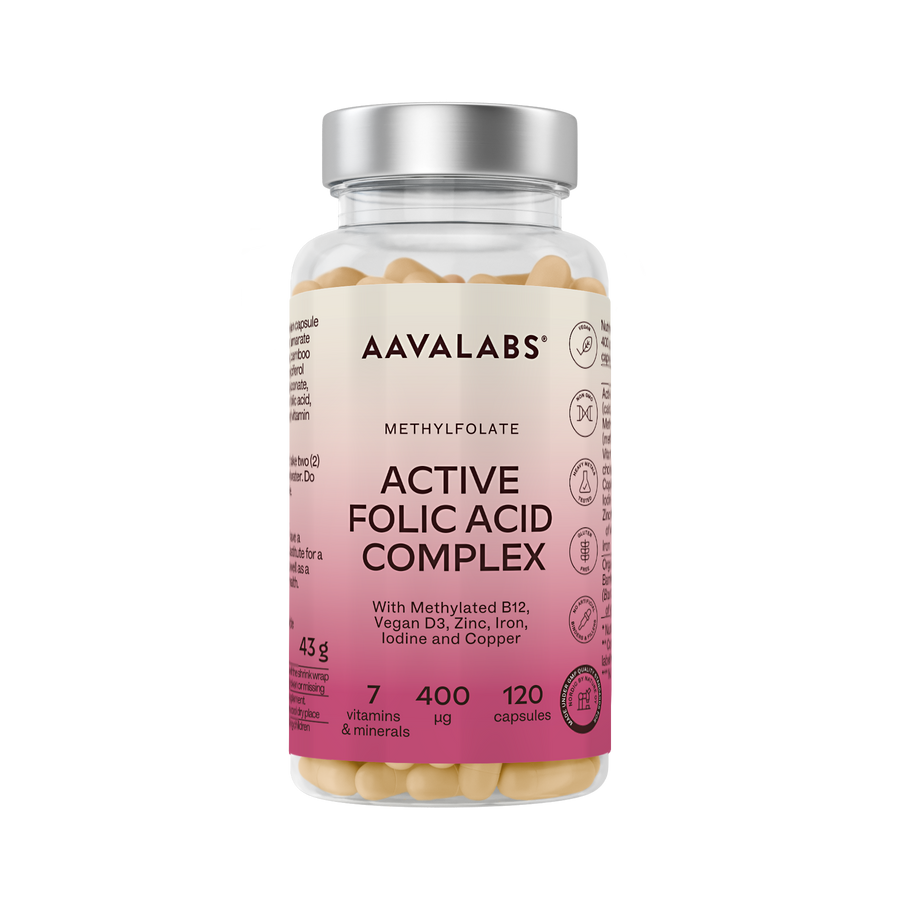
Our Active Folic Acid Complex combines folic acid with additional micronutrients in one formula.
During pregnancy, individual nutritional requirements can vary. Always follow the recommended daily intake and speak with your doctor or midwife if you are unsure which supplements or amounts are suitable for you.
Supporting Your Nutrition from the Beginning
Pregnancy places changing nutritional demands on the body, making a varied diet and appropriate supplementation particularly important.
Folate contributes to maternal tissue growth during pregnancy and has a role in the process of cell division. Starting folic acid before conception can help ensure that your nutritional routine is already established during the earliest stages of pregnancy.
Alongside a balanced diet and appropriate prenatal care, it can be a simple but important part of preparing for pregnancy.
Frequently Asked Questions
When should I start taking folic acid?
Folic acid should ideally be taken before becoming pregnant. Public health recommendations generally advise taking 400 micrograms per day before conception and continuing through the first 12 weeks of pregnancy.
How much folic acid should I take during pregnancy?
For most people planning a pregnancy, 400 micrograms of folic acid per day is commonly recommended before conception and during the first 12 weeks of pregnancy. Some people require a higher amount based on individual risk factors, which should be discussed with a healthcare professional.
Can I get enough folate from food alone?
Folate occurs naturally in foods such as leafy green vegetables, broccoli, peas, chickpeas and beans. However, public health authorities recommend a folic acid supplement when planning a pregnancy and during early pregnancy rather than relying on food alone.
What is the difference between folate and folic acid?
Folate is the general term for vitamin B9 and occurs naturally in foods. Folic acid is a form commonly used in food supplements and fortified foods.
Does folate contribute to maternal tissue growth?
Yes. Folate contributes to maternal tissue growth during pregnancy. Folate also has a role in the process of cell division and contributes to normal blood formation.
Should everyone take the same amount of folic acid?
No. While 400 micrograms per day is a common recommendation when planning a pregnancy and during early pregnancy, some people may be advised to take a higher dose. Higher-dose folic acid should be taken under the guidance of a healthcare professional.
Should I continue taking folic acid after the first trimester?
The standard public health recommendation specifically emphasises folic acid supplementation before conception and through the first 12 weeks of pregnancy. Your healthcare professional can advise you on supplementation for the remainder of your pregnancy based on your individual nutritional needs.