Collagen is the most abundant protein in the human body and an important structural component of the skin, bones, cartilage and connective tissue. Discover what collagen does, why natural collagen production changes with age and what to know about hydrolysed and marine collagen supplements.
When you hear the word collagen, skincare might be the first thing that comes to mind. But collagen is much more than a beauty ingredient. It is the most abundant protein in the human body and an important structural component of our skin, bones, cartilage and connective tissues.
Our bodies naturally produce collagen, but this production changes as we age. This is one reason why collagen supplements, particularly hydrolysed collagen, have become increasingly popular.
So, what exactly does collagen do, what happens to it as we get older and what should you know about collagen supplementation? Let’s take a closer look.
What Is Collagen?
Collagen is a structural protein found throughout the body. It provides strength, structure and support to many different tissues.
There are several types of collagen, with types I, II and III among the most abundant. Different types are found in different parts of the body.
Collagen is an important component of:
- Skin
- Bones
- Cartilage
- Tendons and ligaments
- Connective tissue
- Blood vessels
Your body produces collagen from amino acids obtained through dietary protein. Nutrients such as vitamin C are also involved in normal collagen formation.
What Happens to Collagen as We Age?
Collagen production naturally changes as part of the ageing process. Over time, the body produces less collagen and the collagen already present in our tissues can also undergo structural changes.
This can contribute to familiar signs of ageing, such as changes in skin elasticity and firmness, as well as changes in connective tissues, joints and bones.
Lifestyle and environmental factors can also influence collagen in the body. For example, excessive UV exposure and smoking are associated with accelerated skin ageing.
What Is Hydrolysed Collagen?
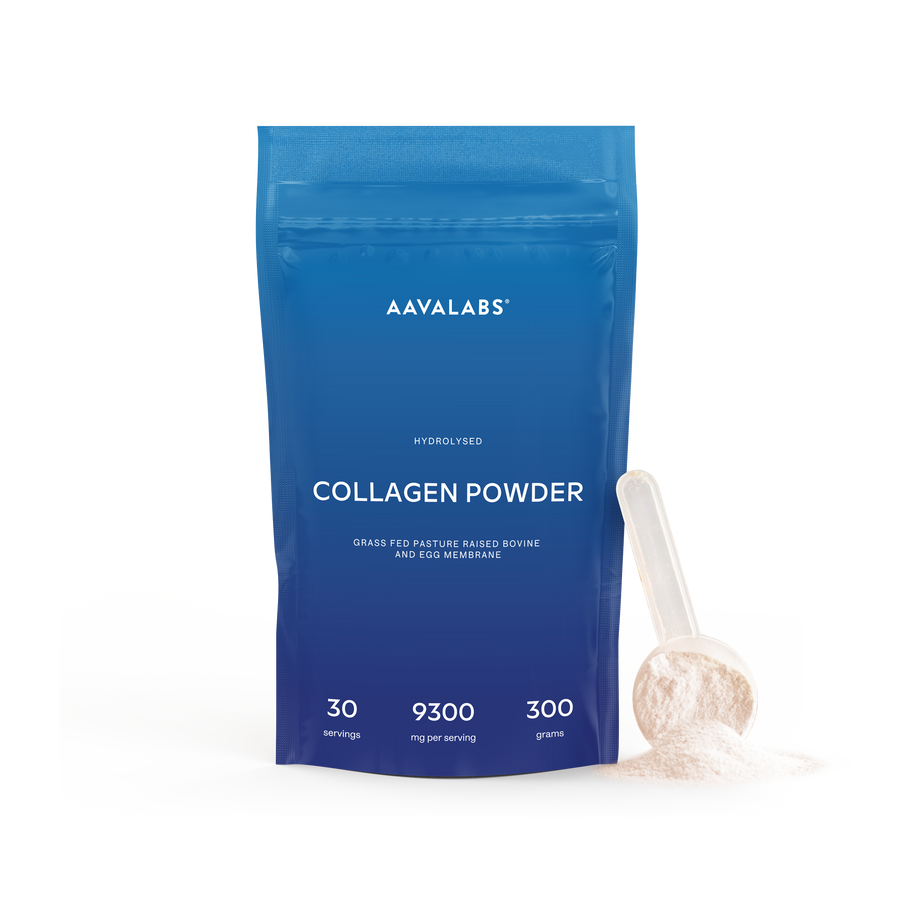
Collagen is a large protein. In hydrolysed collagen, the protein has been broken down into smaller chains of amino acids known as collagen peptides.
This makes hydrolysed collagen easier to incorporate into supplements such as powders and capsules.
After consumption, collagen peptides are digested and absorbed as smaller peptides and amino acids, which the body can use as part of its normal protein metabolism.
What Is Marine Collagen?
Marine collagen is collagen derived from fish and is typically rich in type I collagen.
Type I collagen is naturally abundant in tissues such as the skin and bones. Marine collagen is commonly hydrolysed into smaller collagen peptides for use in food supplements.
Collagen and Skin
Collagen is one of the major structural proteins in the skin, where it contributes to its underlying structure.
As natural collagen production changes with age, the skin can gradually become less firm and elastic.
Research into oral collagen peptides has investigated their potential relationship with aspects of skin appearance such as hydration and elasticity. However, results depend on factors including the specific collagen peptides, dosage and duration of supplementation.
Collagen and Connective Tissue
Collagen forms part of the extracellular matrix that gives structure to many of the body's connective tissues.
This includes tendons and ligaments, which connect muscles and bones and help provide structural support during movement.
Rather than thinking of collagen as something that exists only in the skin, it is helpful to think of it as part of the body's wider structural framework.
Collagen and Cartilage
Collagen is also an important structural component of cartilage, the connective tissue found in joints.
Cartilage helps create a smooth surface between bones and contributes to normal joint structure and movement.
Research continues to explore the potential effects of different collagen preparations on joint-related outcomes, particularly in physically active and ageing populations.
Collagen and Bones
When we think about bones, calcium often gets most of the attention. But bone is made up of both mineral and organic components, and collagen forms an important part of its organic matrix.
This collagen framework contributes to the structure of bone, while minerals such as calcium and phosphorus provide mineralisation.
Maintaining healthy bones therefore involves much more than focusing on one nutrient. A balanced diet, adequate protein, relevant vitamins and minerals and regular weight-bearing exercise all play important roles.
Collagen and Muscles
Collagen is also present in muscles and the connective tissues surrounding them. However, collagen should not be confused with the complete protein sources typically associated with supporting muscle growth.
If maintaining or building muscle is your goal, adequate overall protein intake and resistance training remain particularly important.
Why Is Vitamin C Important for Collagen?
Collagen does not work in isolation. Vitamin C contributes to normal collagen formation for the normal function of skin, bones, cartilage and blood vessels.
Vitamin C therefore has a well-established role in the body's natural collagen formation process.
Good dietary sources of vitamin C include:
- Citrus fruits
- Berries
- Kiwi
- Peppers
- Broccoli
Should You Take a Collagen Supplement?
Collagen supplements can provide a concentrated source of collagen peptides and amino acids. Whether you choose to include one in your routine depends on your diet, preferences and individual goals.
When comparing collagen supplements, consider factors such as:
- The source of the collagen
- Whether the collagen is hydrolysed
- The amount provided per daily serving
- Additional nutrients in the formula
- Quality and testing standards
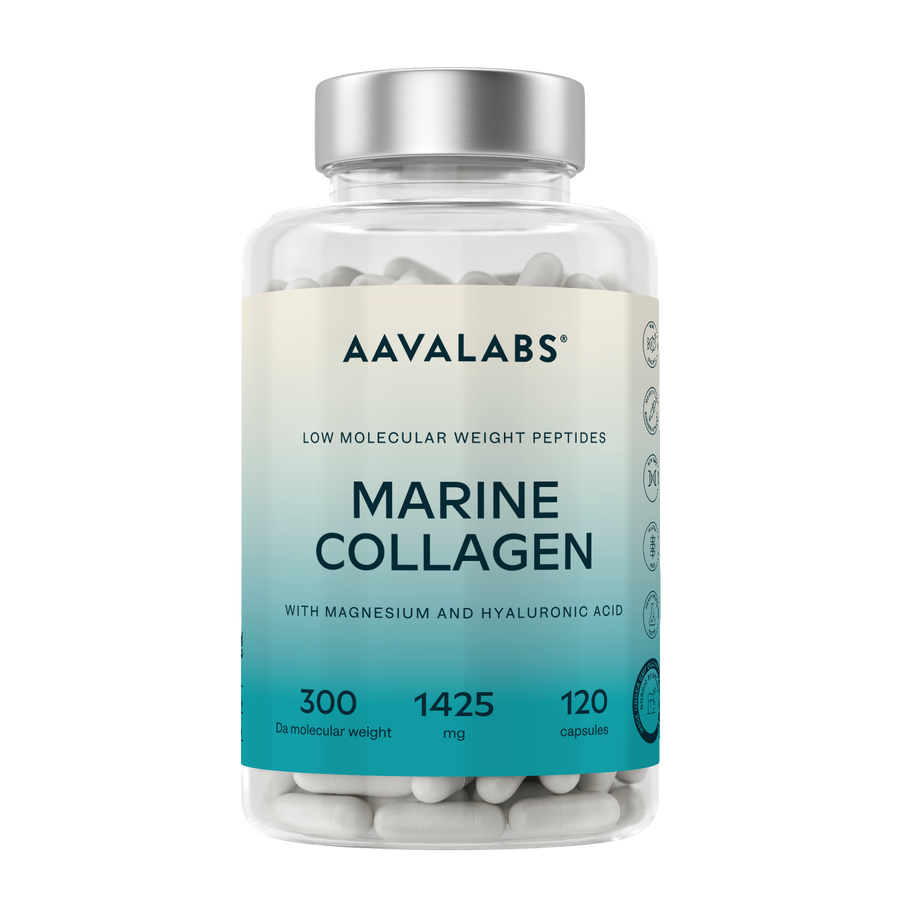
Our Marine Collagen combines hydrolysed marine collagen with complementary nutrients in an easy-to-add daily formula.
Supporting Your Body from Within
Collagen is much more than a skincare trend. It is an important structural protein found throughout the body, including in the skin, bones, cartilage and connective tissues.
Natural collagen production changes as we age, but healthy ageing is influenced by many factors. Eating a balanced diet with sufficient protein, getting enough vitamin C, staying physically active, protecting your skin from excessive UV exposure and avoiding smoking all contribute to supporting your body over time.
Collagen supplements can be one part of that wider routine, rather than a replacement for the foundations of a healthy lifestyle.