Healthy ageing is about more than simply living longer. It is about maintaining your strength, mobility, energy and wellbeing throughout life.
Discover six practical ways to support healthy ageing, from balanced nutrition and regular movement to quality sleep, stress management and keeping your mind active.
Ageing is a natural part of life, but the way we age is influenced by many of the choices we make throughout our lives. Nutrition, physical activity, sleep, stress management and social and mental wellbeing can all contribute to staying healthy and active as we get older.
So, what can you do to support healthy ageing? In this guide, we explore six practical ways to stay fit and healthy as you age, including how to nourish your body, maintain muscle and mobility, support your mind and build sustainable habits for long-term wellbeing.
What Does Healthy Ageing Mean?
Healthy ageing is not about trying to stop the ageing process. Instead, it is about supporting your physical and mental health so you can continue doing the things that matter to you throughout different stages of life.
Our bodies naturally change as we get older. Muscle mass and bone density can decline, recovery may take longer and sleep patterns, energy levels and nutritional needs can change.
While genetics and individual health conditions play a role, everyday lifestyle habits can also make an important contribution to health and wellbeing as we age.
1. Build a Nutrient-Rich Diet
A varied, balanced diet provides the energy, protein, vitamins, minerals and other nutrients your body needs throughout life.
Rather than focusing on a single “anti-ageing” food, aim to regularly include:
- Plenty of vegetables and fruit
- Whole grains and fibre-rich foods
- Protein from fish, eggs, dairy, legumes, meat or plant-based alternatives
- Nuts and seeds
- Sources of unsaturated fats such as olive oil
Protein becomes particularly important as we age because it contributes to the growth and maintenance of muscle mass and the maintenance of normal bones.
Combining good nutrition with regular movement provides an important foundation for maintaining strength and physical function later in life.
2. Pay Attention to Important Nutrients as You Age
Nutritional needs can change over time, and certain nutrients deserve particular attention as we get older.
Vitamin D
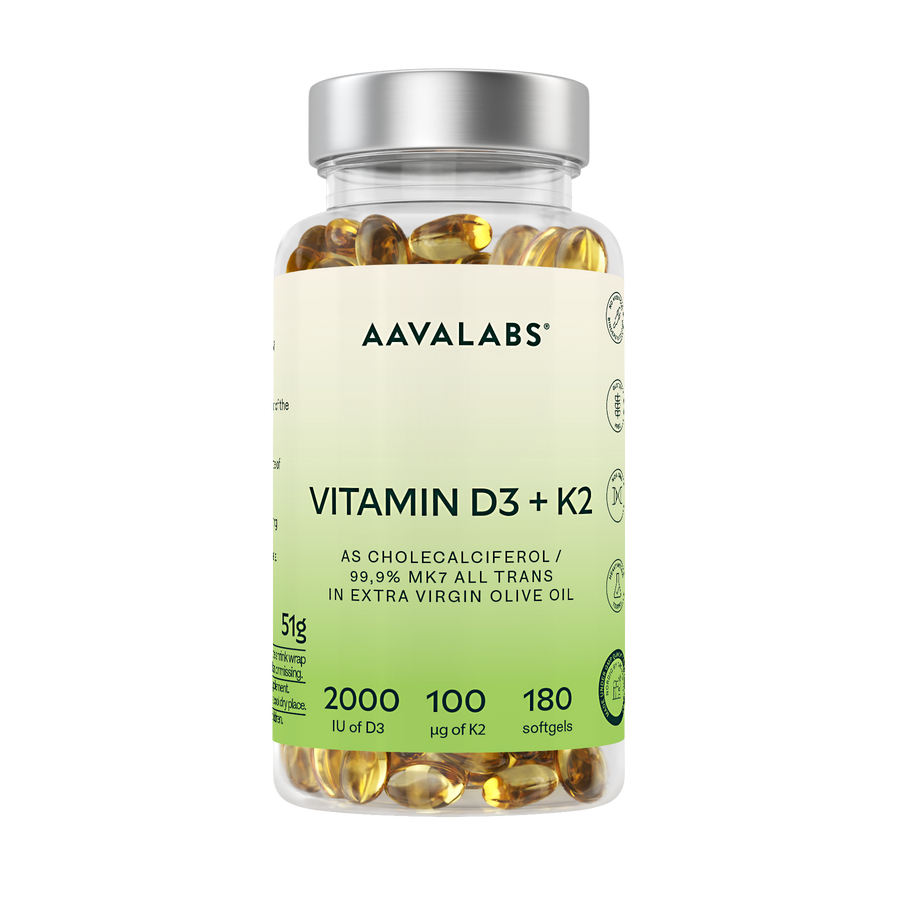
Vitamin D contributes to the maintenance of normal bones and muscle function. It also contributes to the normal function of the immune system.
The body produces vitamin D when the skin is exposed to sunlight, while smaller amounts can also be obtained from food. During periods of limited sunlight, a vitamin D supplement can provide an additional source.
Omega-3 Fatty Acids
Oily fish such as salmon, sardines, herring and mackerel are natural sources of the omega-3 fatty acids EPA and DHA.
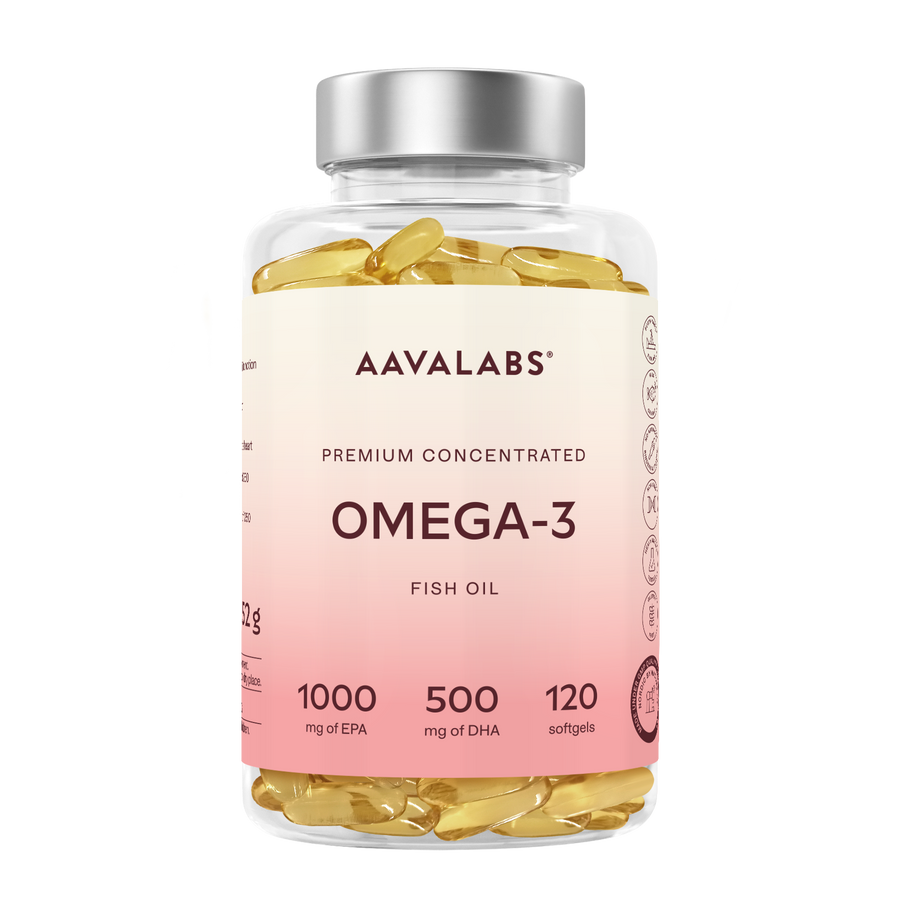
EPA and DHA contribute to the normal function of the heart, while DHA contributes to the maintenance of normal brain function and normal vision when consumed at the required daily amounts.
If you do not regularly eat oily fish, omega-3 supplements can provide EPA and DHA. Algae-based omega-3 is another option for people following a plant-based diet.
Magnesium
Magnesium contributes to normal muscle function, normal energy-yielding metabolism and the reduction of tiredness and fatigue. It also contributes to the maintenance of normal bones.
Magnesium is naturally present in foods such as nuts, seeds, legumes, whole grains and leafy green vegetables.
3. Keep Moving and Maintain Your Strength
Regular physical activity becomes increasingly important as we get older. It can help maintain mobility, strength and independence while supporting overall physical and mental wellbeing.
A balanced routine can include:
- Walking, swimming or cycling for cardiovascular activity
- Strength or resistance training
- Yoga or stretching for flexibility
- Exercises that challenge balance and coordination
Strength training is particularly valuable because maintaining muscle mass becomes increasingly important with age.
You do not need an intense training programme to benefit from movement. Walking more, taking the stairs, gardening or incorporating short periods of activity throughout the day can all contribute to a more active lifestyle.
4. Make Quality Sleep a Priority
Sleep remains essential at every age. Although sleeping patterns can change as we get older, getting sufficient quality sleep continues to be an important part of physical and mental wellbeing.
A consistent evening routine can make it easier to prepare your body for rest. Try going to bed and waking at similar times, keeping your bedroom comfortable and reducing stimulating activities close to bedtime.
Regular movement, exposure to natural daylight during the day and limiting caffeine later in the day can also support a healthy sleep routine.
5. Find Healthy Ways to Manage Stress
Stress is part of life, but periods of prolonged stress can affect sleep, energy and overall wellbeing.
Healthy ageing therefore also means giving your body and mind opportunities to recover.
Stress management can look different for everyone. Helpful habits may include:
- Spending time outdoors
- Walking or exercising
- Practising yoga or meditation
- Taking regular breaks from screens
- Spending time with friends and family
- Making space for hobbies and activities you enjoy
The goal is not to eliminate every source of stress, but to create regular moments of recovery and balance.
6. Keep Your Brain Active
Healthy ageing involves your mind as well as your body. Continuing to learn, solve problems and engage with other people can help keep everyday life mentally stimulating.
Activities could include:
- Reading
- Learning a new language or skill
- Playing an instrument
- Doing puzzles or strategy games
- Taking up a creative hobby
- Staying socially connected
The best activity is one you genuinely enjoy and want to continue doing. Learning and curiosity do not have an age limit.
Can Supplements Support Healthy Ageing?
Supplements can help provide specific nutrients when dietary intake or individual circumstances make it difficult to obtain enough through food alone. However, they should complement rather than replace a varied and balanced diet.
Your individual needs may also change with age, medication use, health conditions and lifestyle. If you are unsure whether you need a particular supplement, speak with a healthcare professional who can assess your individual circumstances.
Healthy Ageing Is Built on Everyday Habits
There is no single secret to staying healthy as you get older. Healthy ageing is built through many small habits that support your body and mind over time.
Eating a varied diet, staying physically active, maintaining your strength, sleeping well, managing stress and continuing to challenge your mind can all contribute to long-term wellbeing.
Ageing is inevitable. How you support yourself along the way is something you can influence, one healthy habit at a time.