Biotin, also known as vitamin B7, contributes to the maintenance of normal hair. Discover what biotin does in the body, which foods contain it and when supplementation may help support your daily nutrient intake.
Biotin is often associated with healthy hair, but what does it actually do? Also known as vitamin B7, biotin is an essential water-soluble vitamin involved in several important processes in the body.
Most importantly when it comes to hair, biotin contributes to the maintenance of normal hair. It also contributes to normal energy-yielding metabolism, normal functioning of the nervous system and the maintenance of normal skin.
Let’s take a closer look at what biotin is, where you can find it and how it can become part of your everyday nutritional routine.
What Is Biotin and Why Does It Matter for Hair?
Biotin, sometimes called vitamin B7 or vitamin H, belongs to the family of B vitamins. It is water-soluble and must therefore be obtained regularly through the diet.
Biotin contributes to several normal functions in the body, including:
- The maintenance of normal hair
- The maintenance of normal skin
- Normal energy-yielding metabolism
- Normal functioning of the nervous system
- Normal psychological function
- Normal macronutrient metabolism
Because of its recognised role in maintaining normal hair, biotin is commonly included in supplements designed to complement beauty and wellness routines from within.
Does Biotin Support Normal Hair?
Yes. Biotin contributes to the maintenance of normal hair. This is an authorised EU health claim and one of the reasons why biotin has become such a well-known nutrient in hair-focused supplements.
However, it is important to distinguish between maintaining normal hair and stimulating new hair growth. Biotin should not be presented as a treatment for hair loss or as a nutrient that makes hair grow faster or thicker.
Hair condition can be influenced by many different factors, including genetics, age, hormonal changes, nutrition, stress and general health.
Can Biotin Deficiency Affect Your Hair?
Biotin deficiency is uncommon, but inadequate biotin status can affect the body in different ways. Hair changes can occur in cases of deficiency.
However, hair thinning or hair loss should not automatically be interpreted as a sign of biotin deficiency. There are many possible causes, and persistent or unexplained hair loss should be discussed with a healthcare professional.
What Foods Contain Biotin?
Biotin occurs naturally in a variety of foods, which means a varied and balanced diet can contribute to your daily intake.
Sources of biotin include:
- Eggs, particularly egg yolks
- Nuts and seeds
- Fish
- Meat and organ meats
- Legumes
- Sweet potatoes
- Certain vegetables
Including a variety of nutrient-rich foods in your diet is a simple way to support your overall vitamin and mineral intake.
When Can a Biotin Supplement Be Useful?
Food supplements can be a convenient way to complement your diet when you want to ensure a consistent intake of particular nutrients.
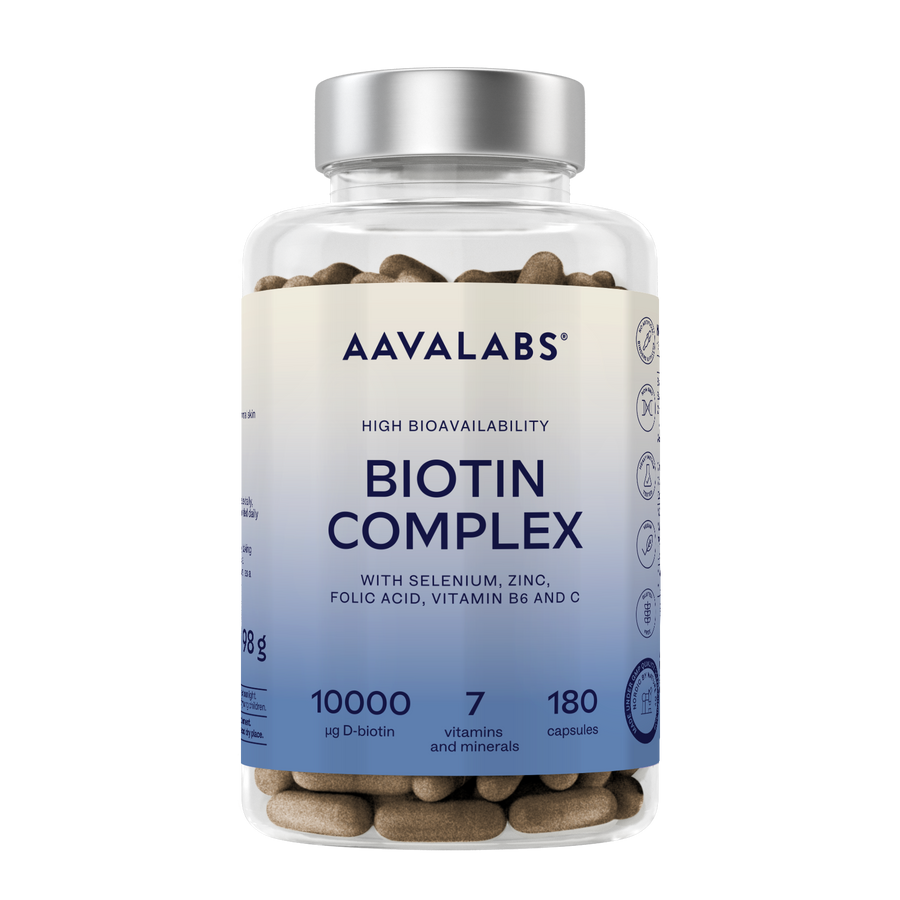
Our Biotin Complex combines biotin with additional vitamins and nutrients in one daily formula.
When taking a supplement, always follow the recommended daily intake provided on the product label. Supplements should complement, rather than replace, a varied and balanced diet and a healthy lifestyle.
Is More Biotin Always Better?
No. Taking more of a nutrient does not automatically provide greater benefits.
Biotin is water-soluble, but this does not mean that extremely high amounts are necessarily useful. A balanced approach to supplementation is more important than simply choosing the highest possible dose.
Biotin supplements can also interfere with certain laboratory tests. If you are taking a biotin-containing supplement and are scheduled for blood tests, let your healthcare professional know.
Support Your Hair from Within
Healthy-looking hair is influenced by many factors, from genetics and age to lifestyle and nutrition. There is no single nutrient that determines how your hair looks or grows.
Biotin can nevertheless play a valuable role as part of a balanced nutritional routine because biotin contributes to the maintenance of normal hair.
Combined with a varied diet, sufficient sleep, good hydration and a balanced lifestyle, getting enough essential nutrients helps provide your body with the nutritional foundation it needs every day.
Explore our Biotin Complex to easily incorporate biotin into your daily supplement routine.
Frequently Asked Questions
Does biotin help maintain healthy hair?
Biotin contributes to the maintenance of normal hair. It is therefore an important micronutrient to include as part of a varied and balanced diet.
Does biotin make your hair grow faster?
Biotin contributes to the maintenance of normal hair, but this does not mean that taking additional biotin has been established to make hair grow faster. Hair growth is influenced by many factors, including genetics, age, hormones, nutrition and general health.
Can biotin deficiency cause hair loss?
Hair changes can occur with biotin deficiency. However, biotin deficiency is uncommon and hair loss has many possible causes. If you experience persistent or unexplained hair loss, speak with a healthcare professional rather than assuming that biotin is the cause.
Can you get enough biotin from food?
Biotin is naturally present in a variety of foods, and a varied diet can contribute to adequate intake. Foods containing biotin include eggs, nuts, seeds, fish, legumes and certain vegetables.
How should I take a biotin supplement?
Always follow the recommended daily intake provided on the product label. Consistency can make supplementation easier to integrate into your routine, for example by taking your supplement at the same time each day.
Can biotin supplements interfere with blood tests?
Yes. Higher supplemental intakes of biotin can interfere with certain laboratory tests and potentially produce misleading results. If you are taking a biotin supplement and need a blood test, inform your healthcare professional beforehand.
Does biotin support normal skin too?
Yes. In addition to contributing to the maintenance of normal hair, biotin contributes to the maintenance of normal skin.