Noticing more hair in your brush or shower during autumn? Some research suggests that seasonal variations in hair shedding may occur, although changes in hair loss can have many different causes.
In this guide, we explore why hair shedding may change throughout the year, how the natural hair growth cycle works, which nutrients contribute to the maintenance of normal hair and when increased hair loss may be worth discussing with a healthcare professional.
Noticing more hair in your brush or shower during autumn can be unsettling. Some research suggests that seasonal variations in hair shedding may occur, although changes in hair loss can have many different causes.
Hair naturally moves through a cycle of growth, transition, rest and shedding. Nutrition, stress, hormonal changes, health conditions and hair care practices can all influence hair and scalp health.
So is autumn hair loss really a thing, when should increased shedding be taken seriously, and which nutrients contribute to the maintenance of normal hair? Let’s take a closer look.
Quick answer: Some people may notice increased hair shedding during certain times of the year, including autumn. However, hair loss can have many causes and should not automatically be attributed to the season. A balanced diet provides nutrients needed for normal hair health, while biotin, zinc and selenium contribute to the maintenance of normal hair.
Is autumn hair loss real?
Seasonal changes in hair shedding have been observed in research, with some studies suggesting that the proportion of hairs in different phases of the hair cycle can vary throughout the year.
That does not mean everyone will experience noticeable hair loss each autumn. It also does not mean that increased shedding at this time of year is necessarily caused by the season.
Hair loss can be influenced by many factors, including genetics, hormonal changes, nutritional status, illness, medication, significant stress and changes in body weight.
If you suddenly notice substantial or persistent hair loss, it is important to consider the wider picture rather than assuming autumn is responsible.
How does the natural hair growth cycle work?
Hair does not grow continuously. Each hair follicle moves through different stages as part of a natural cycle.
The growth phase
During the growth phase, the hair actively grows from the follicle. This phase can continue for several years and accounts for the majority of hairs on a healthy scalp at any given time.
The transition phase
The follicle then enters a relatively short transition phase during which active growth slows.
The resting phase
During the resting phase, the hair remains in the follicle without actively growing.
The shedding phase
Eventually, the old hair is released and shed, allowing the follicle to begin another cycle.
Losing some hair every day is therefore a normal part of hair biology. What matters is whether shedding becomes noticeably different from what is normal for you.
What can cause increased hair shedding?
Seasonality is only one possible explanation for changes in shedding. Hair is sensitive to many changes taking place elsewhere in the body.
Factors associated with increased hair loss can include:
- Genetic predisposition
- Hormonal changes
- Significant physical or emotional stress
- Illness or recovery from illness
- Certain medications
- Rapid changes in body weight
- Insufficient intake of certain nutrients
- Hair and scalp conditions
Because there are so many possible causes, persistent hair loss is better investigated than simply treated with a general hair supplement.
Which nutrients contribute to normal hair?
Hair health depends on adequate nutrition overall. No single vitamin or mineral can guarantee faster hair growth, but certain nutrients have recognised roles in maintaining normal hair.
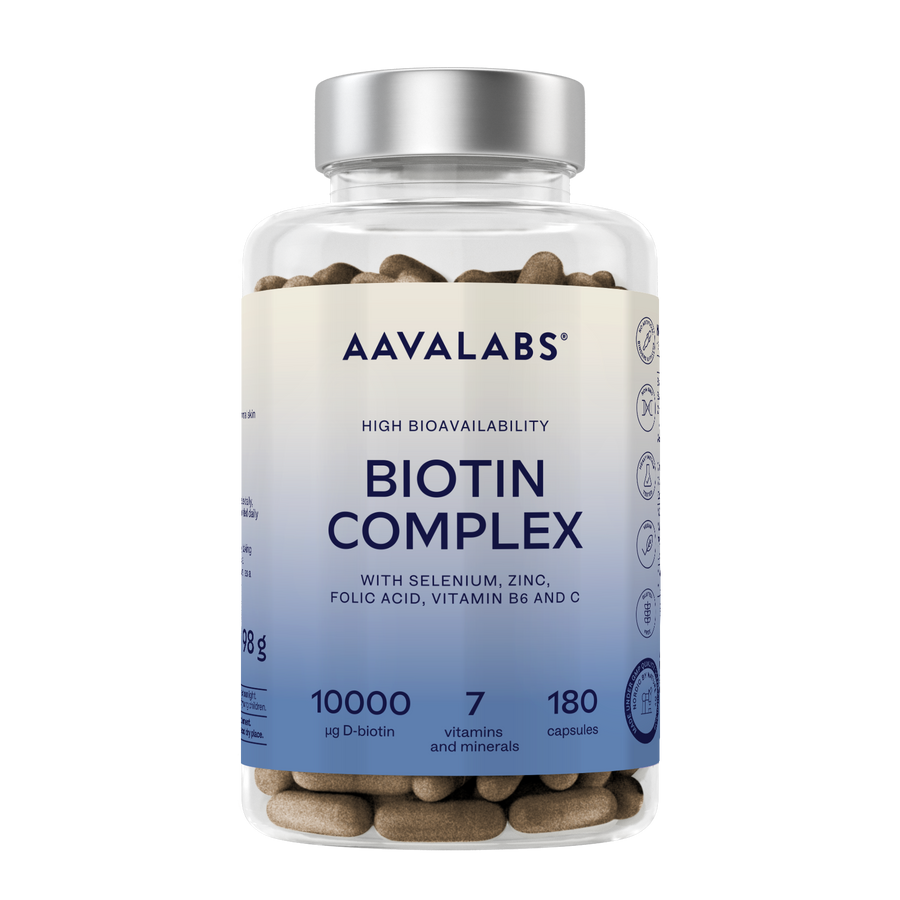
Biotin
Biotin contributes to the maintenance of normal hair and normal skin. It also contributes to normal energy yielding metabolism and normal macronutrient metabolism.
Biotin occurs naturally in a variety of foods, including eggs, nuts, seeds and certain vegetables.
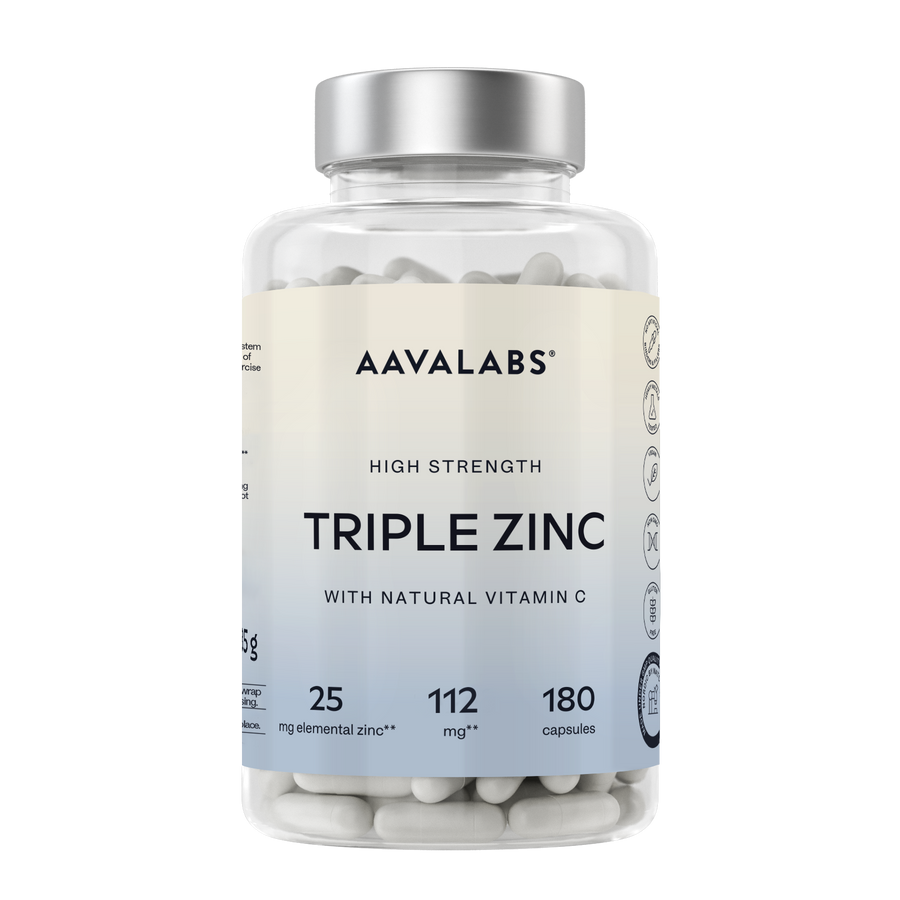
Zinc
Zinc contributes to the maintenance of normal hair, skin and nails. It also contributes to normal protein synthesis and the protection of cells from oxidative stress.
Food sources include meat, shellfish, dairy products, legumes, nuts and seeds.
Selenium
Selenium contributes to the maintenance of normal hair and nails. It also contributes to the protection of cells from oxidative stress and normal thyroid function.
Only relatively small amounts of selenium are required, so more is not necessarily better.
Vitamin C
Vitamin C contributes to normal collagen formation for the normal function of skin and increases iron absorption.
Good dietary sources include citrus fruits, kiwi, berries, peppers and broccoli.
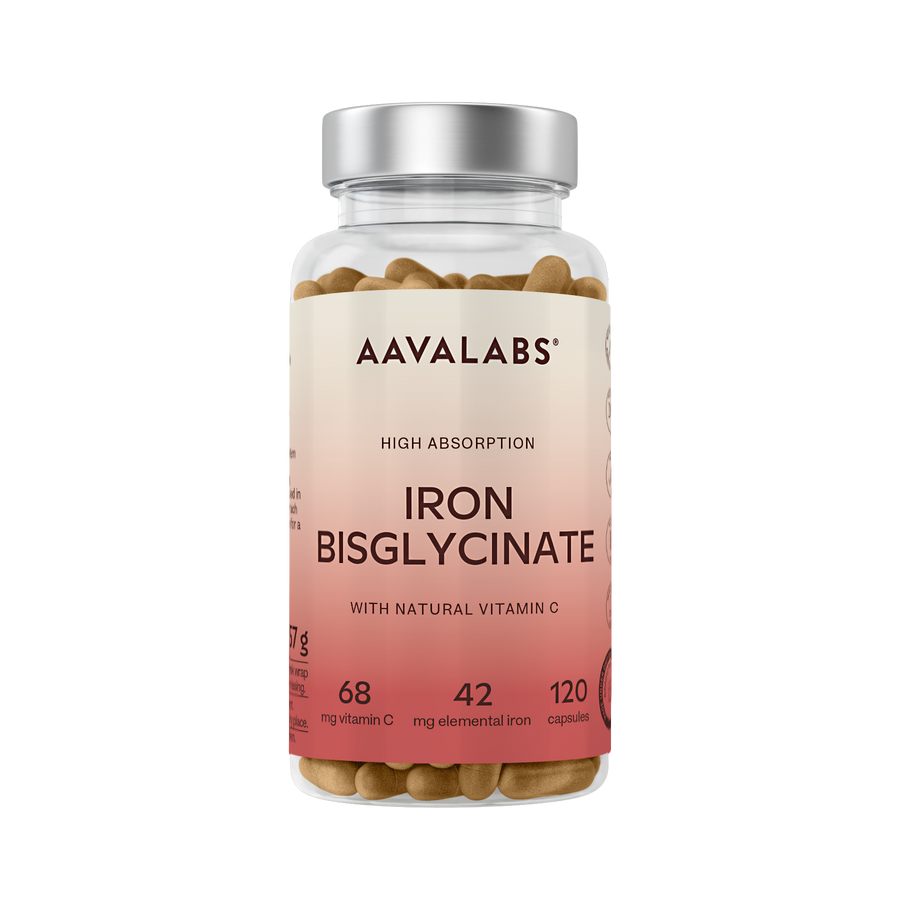
Iron
Iron contributes to normal oxygen transport in the body, normal energy yielding metabolism and the reduction of tiredness and fatigue.
Iron status can be relevant when investigating hair loss, but supplementation should not be started simply because you are experiencing increased shedding. If you are concerned about iron deficiency, speak with a healthcare professional.
Can supplements help with hair loss?
Supplements can help provide nutrients when dietary intake is insufficient or when an individual has an increased nutritional requirement. However, taking a hair supplement does not automatically result in faster hair growth or stop hair loss.
This distinction matters because hair loss can have many causes. Adding more of a nutrient is unlikely to address an underlying issue if your intake is already sufficient.
When choosing a supplement, look at the complete formula and check the amounts of individual nutrients rather than relying on promises about hair growth.
Supplements should complement a varied and balanced diet rather than replace it.
How can you support normal hair health?
A few simple habits can help create a good foundation for normal hair health throughout the year.
Eat a varied and balanced diet
Hair is part of the body, so overall nutritional status matters. Include varied sources of protein, vegetables, fruit, whole grains, healthy fats, nuts, seeds and other nutrient rich foods according to your dietary preferences.
Be gentle with your hair
Frequent exposure to high temperatures, aggressive styling and repeated chemical treatments can affect the hair shaft and contribute to breakage.
Using hair care products suited to your hair type and handling wet hair gently can help minimise unnecessary damage.
Consider your overall wellbeing
Significant physical and emotional stress can coincide with changes in hair shedding. Supporting your overall wellbeing through sufficient sleep, regular movement and appropriate stress management can therefore form part of a balanced approach to hair health.
Give changes time
Hair grows slowly. Changes to nutrition or hair care are therefore unlikely to produce visible differences overnight.
Be cautious of products promising dramatic hair growth within very short periods.
When should you seek professional advice?
Some daily shedding is normal, but certain changes are worth discussing with a healthcare professional or dermatologist.
Consider seeking professional advice if you experience:
- Sudden or substantial hair loss
- Hair loss that continues or becomes progressively worse
- Distinct areas of hair loss
- Changes to your scalp alongside hair loss
- Hair loss accompanied by other unexplained symptoms
A professional can help investigate potential causes and determine whether further assessment is appropriate.
Frequently asked questions
Is it normal to lose more hair in autumn?
Some research suggests that seasonal variations in the human hair cycle can occur, and some people may notice more shedding during certain times of the year. However, increased hair loss can have many causes and should not automatically be attributed to autumn.
Which vitamins are good for normal hair?
Biotin contributes to the maintenance of normal hair. Hair health also depends on overall nutrition, so focusing on a varied and balanced diet is important.
Which minerals support normal hair?
Zinc and selenium both contribute to the maintenance of normal hair.
Does biotin make your hair grow faster?
Biotin contributes to the maintenance of normal hair, but this does not mean that taking additional biotin will necessarily make hair grow faster. Individual nutritional needs and the underlying cause of hair changes matter.
Can supplements stop seasonal hair loss?
There is no single supplement that can be expected to stop seasonal shedding. Supplements can provide particular nutrients when needed, but persistent or significant hair loss may have other causes that should be investigated.
Can stress affect hair shedding?
Significant physical or emotional stress can be associated with changes in the hair cycle and increased shedding. Hair changes may become noticeable some time after the triggering event.
When should I worry about hair loss?
If hair loss is sudden, substantial, persistent, occurs in distinct areas or is accompanied by other symptoms, speak with a healthcare professional or dermatologist.
Key takeaways
- Some seasonal variation in hair shedding may occur, but autumn is not the only possible explanation for increased hair loss.
- Hair naturally moves through phases of growth, transition, rest and shedding.
- Nutrition, genetics, hormones, health and stress can all influence hair shedding.
- Biotin, zinc and selenium contribute to the maintenance of normal hair.
- Taking more of a nutrient does not necessarily result in faster hair growth.
- Sudden, substantial or persistent hair loss should be discussed with an appropriate healthcare professional.
This article is for informational purposes only and is not intended to diagnose, treat, cure or prevent any disease. Food supplements should not be used as a substitute for a varied, balanced diet and healthy lifestyle.